A serious team should clarify users, workflows, integrations and acceptance criteria before committing to a detailed build plan.
Category
Mobile Application Development
4 published businesses to explore and compare.
Technology buyer guide
Evaluate software teams on discovery, engineering quality and ownership
Software projects fail for reasons that have little to do with typing code quickly. Unclear requirements, weak product discovery, poor architecture, security shortcuts and uncertain ownership can all make an initially attractive quote expensive later. Before comparing vendors, define the business problem, the users, the must-have workflows and what a successful first release needs to prove.
When reviewing development companies, focus on how they reduce uncertainty. Ask how they turn requirements into a backlog, validate technical choices, test quality, manage environments and document the product. A capable partner should be comfortable discussing trade-offs between speed, scope, maintainability and budget rather than promising every feature at once.
Ask about code review, automated testing, version control, deployment practices and technical documentation.
Understand how credentials, environments, backups, dependencies and production access are controlled.
Confirm source-code ownership, repository access, documentation and support arrangements before signing.
Aviras - Best software development company in singapore
Aviras – Building Smarter Futures Through Technology
Singapore



Mobile App Development Company - Sai Technologies
Innovation Ideas into Smart Mobile Solutions – Sai Technologies
Madurai, Tamil Nadu, India

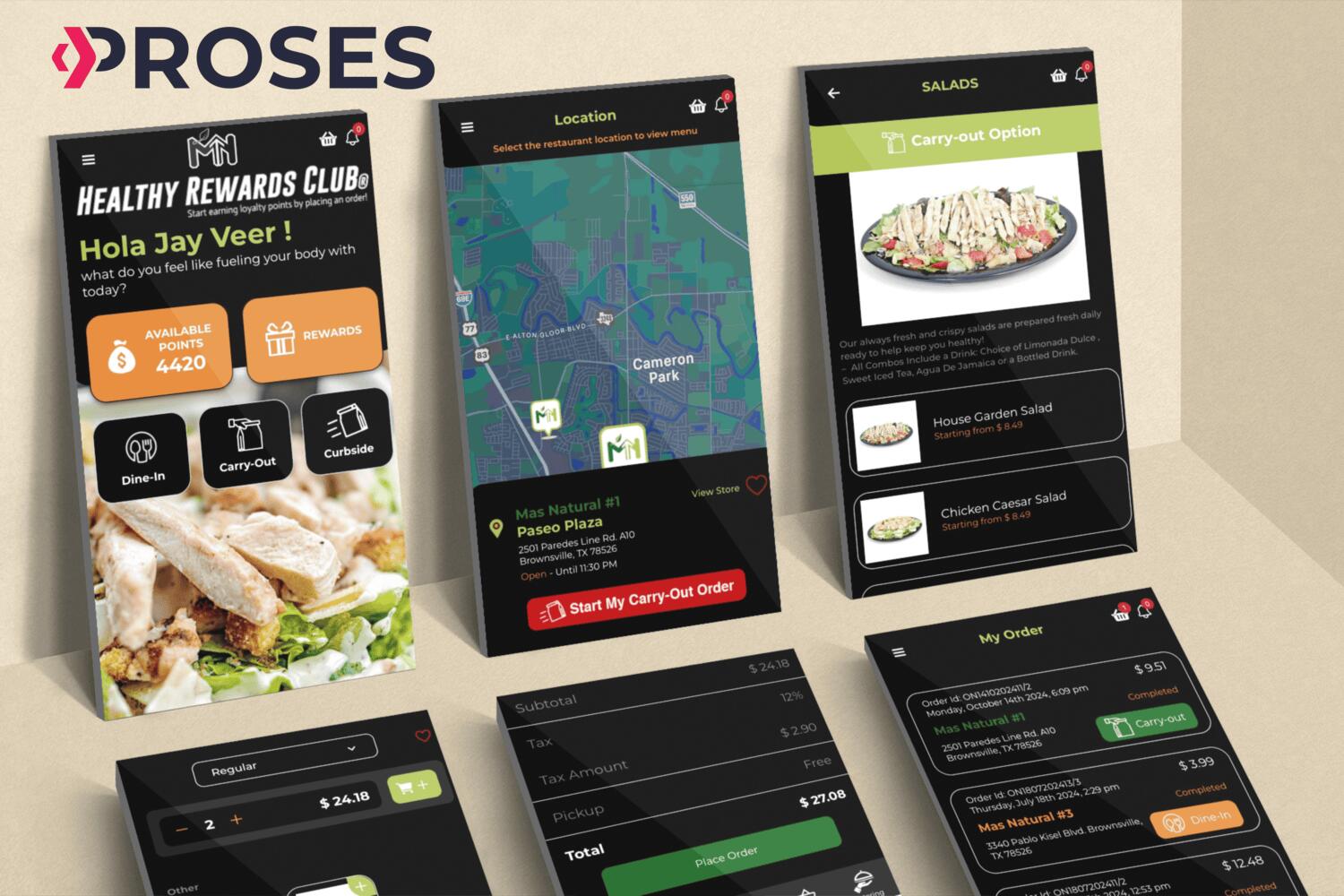

Food Ordering Mobile App Development for Restaurants | Proses India
Elevate your restaurant business with custom food ordering mobile app development
India


Appticz
Mobile App Development Company
Madurai, Madurai South, Madurai District, Ta…
Before you contact providers
Questions worth asking Mobile Application Development businesses
Use these prompts to make proposals and conversations easier to compare.
- How will you validate requirements before development starts?
- Who makes architecture decisions and reviews the code?
- What testing is automated and what remains manual?
- Where will source code, credentials and deployment documentation live?
- How are scope changes estimated and approved?
Frequently asked questions
Choosing Mobile Application Development providers
Practical answers for visitors building a shortlist in this category.
Fixed price or time and materials—which is better?
Fixed pricing can work for well-defined scope. Time-and-materials models are often more flexible when product discovery and priorities are expected to evolve.
Should I ask for the source-code repository from day one?
For custom software you own, having clear repository access and ownership terms reduces continuity risk.
How important is post-launch support?
Very important. Production software needs monitoring, security updates, bug fixes and adaptation as dependencies or business requirements change.
What makes a portfolio relevant?
Look for comparable technical complexity, integrations, user scale or business constraints rather than only visual similarity.